DJI Dock 2
by DJI
Overview
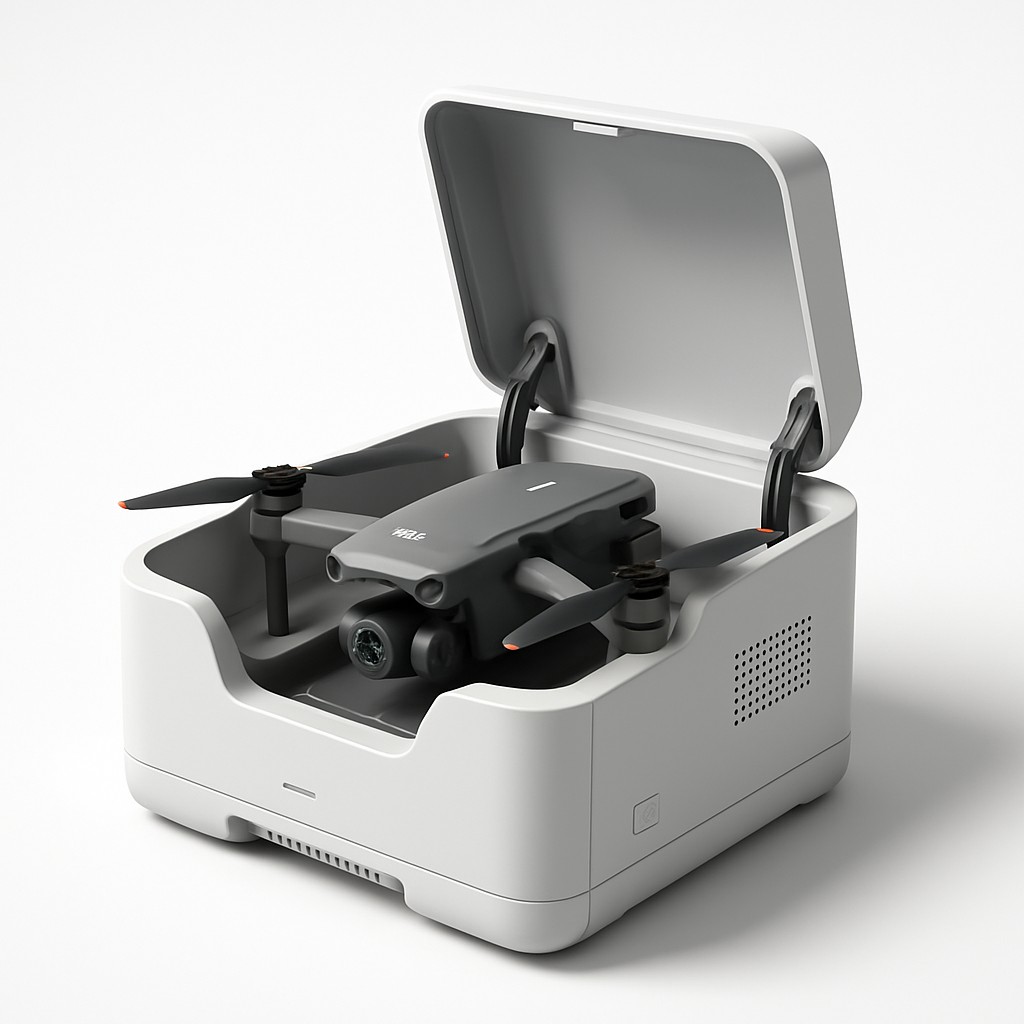
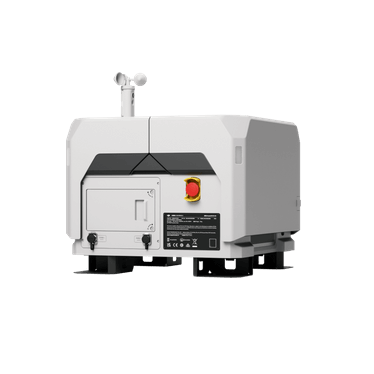
The DJI Dock 2 represents a significant advancement in autonomous drone technology, designed specifically for enterprise and industrial applications requiring consistent, unmanned aerial operations. This second-generation docking station enables organizations to deploy drones for regular inspection, monitoring, and surveying missions without the need for on-site pilots or manual intervention.
Built for industries such as energy, construction, public safety, and infrastructure management, the DJI Dock 2 addresses the growing demand for cost-effective, scalable drone operations. The system integrates seamlessly with DJI's fleet management software, allowing operators to manage multiple docking stations and aircraft from a centralized location, making it ideal for large-scale operations across multiple sites.
The dock's weatherproof design and automated charging capabilities ensure continuous operation in various environmental conditions, while its compact footprint makes deployment feasible in space-constrained industrial environments.
Key Specifications
- Compatible Aircraft: DJI Matrice 3D/3TD series
- Operating Temperature: -20°C to 50°C (-4°F to 122°F)
- Weather Resistance: IP55 rating for dock, aircraft protection during storage
- Charging Time: Approximately 25-30 minutes for full charge
- Remote Operation Range: Unlimited via 4G/5G connectivity
- Power Requirements: AC 220V or solar panel compatible
- Dimensions: Significantly smaller than original Dock (specific dimensions vary by configuration)
- Weight: Approximately 34kg (75 lbs) - lighter than predecessor
- Storage: Secure aircraft housing with climate control
- Data Management: Automatic upload via cellular or WiFi connectivity
- Flight Planning: Integration with DJI FlightHub 2 and Terra mapping software
- Maintenance Alerts: Automated system health monitoring and reporting
- Security: Multi-layer authentication and encrypted data transmission
Pricing & Configuration
DJI follows an enterprise pricing model for the Dock 2 system, with costs varying significantly based on configuration, software licensing, and support packages. Pricing typically includes the docking station, compatible aircraft, software licenses, and installation services. Organizations should expect substantial investment levels comparable to other industrial automation equipment.
The system offers various configuration options including different aircraft payloads (RGB cameras, thermal sensors, LiDAR), solar power integration, and extended warranty packages. Volume discounts and multi-year service contracts are typically available for large deployments across multiple sites.
Pros and Cons
Pros:
- Enables truly autonomous drone operations without on-site personnel
- Weather-resistant design supports year-round operations
- Centralized fleet management reduces operational complexity
- Automatic charging and data synchronization streamline workflows
- Smaller footprint and improved reliability compared to first generation
- Integration with existing DJI enterprise software ecosystem
- Reduces long-term operational costs for routine missions
Cons:
- Significant upfront capital investment required
- Limited to DJI's compatible aircraft ecosystem
- Requires reliable cellular connectivity for remote operations
- Weather conditions can still impact flight operations
- Complex initial setup and configuration process
- Ongoing software licensing and maintenance costs
Who Should Buy This Drone?
The DJI Dock 2 is ideally suited for large enterprises and organizations with recurring inspection, monitoring, or surveying needs across multiple locations. Primary candidates include utility companies managing power lines and solar farms, oil and gas operators monitoring pipeline infrastructure, construction companies overseeing multiple project sites, and government agencies requiring regular surveillance or emergency response capabilities.
Organizations that will benefit most are those currently spending significant resources on manual drone operations or traditional inspection methods, have technical staff capable of managing automated systems, and can justify the investment through operational cost savings and improved data collection frequency.
Smaller operations or those with infrequent drone needs would likely find better value in traditional piloted drone services or purchasing standard drone equipment for occasional use.
Final Verdict
The DJI Dock 2 represents a mature evolution in autonomous drone technology, addressing many of the limitations found in first-generation systems. Its combination of improved weather resistance, smaller form factor, and enhanced integration capabilities makes it a compelling solution for enterprises seeking to scale their drone operations efficiently.
While the substantial investment required limits its accessibility to larger organizations, the system delivers on its promise of truly autonomous operations with minimal human intervention. The reduced operational costs over time, combined with the ability to collect data more frequently and consistently than manual operations, can provide strong ROI for appropriate use cases.
For organizations with the technical capability to implement and maintain such systems, and with clear use cases that benefit from regular, automated drone missions, the DJI Dock 2 offers a sophisticated solution that bridges the gap between traditional piloted operations and fully autonomous aerial monitoring systems.
Pros
- + Fully autonomous operations
- + Weather-resistant design
- + Remote mission management
- + Automatic charging and data upload
- + Reduced operational costs
Cons
- - High initial investment
- - Requires technical expertise for setup
- - Limited to compatible DJI aircraft
- - Weather dependency for certain operations
Frequently Asked Questions
What is DJI Dock 2?
DJI's second-generation autonomous drone docking station that enables fully automated flight operations for industrial applications. The system supports remote drone operations, automatic charging, and weather protection for continuous monitoring missions.
How much does DJI Dock 2 cost?
DJI Dock 2 uses a enterprise pricing model with plans starting at Contact for pricing.
What are the main advantages of DJI Dock 2?
The key advantages of DJI Dock 2 include: Fully autonomous operations; Weather-resistant design; Remote mission management; Automatic charging and data upload; Reduced operational costs.
What are the drawbacks of DJI Dock 2?
Some limitations to consider: High initial investment; Requires technical expertise for setup; Limited to compatible DJI aircraft; Weather dependency for certain operations.
What category does DJI Dock 2 belong to?
DJI Dock 2 is a Inspection tool developed by DJI.
Inspection Guides
Best Drones for Roof & Building Inspection in 2026
Best ToolsThe top inspection drones for roofing contractors, insurance adjusters, and facility managers. Compare thermal imaging, zoom capabilities, and safety features for roof and façade inspection.
How to Choose an Inspection Drone: The Complete Buyer's Guide
How to ChooseEverything you need to know before buying an inspection drone. From thermal vs. optical cameras to GPS-denied environments — a practical guide for infrastructure and industrial inspection teams.
Other Inspection Tools
View all 20 tools →Autel Robotics EVO Max 4T
Autel Robotics
A professional-grade commercial drone featuring quad-sensor payload with thermal, wide-angle, zoom, and laser rangefinder capabilities. Designed for industrial inspection, public safety, and surveillance applications with advanced anti-jamming technology and weatherproof construction.
DJI Matrice 200 Series V2
DJI
The DJI Matrice 200 Series V2 is a professional industrial drone platform designed for inspection, surveying, and public safety operations. It features dual gimbal capability, IP43 weather resistance, and hot-swappable batteries for extended mission operations.
DJI Matrice 30
DJI
A compact, backpack-portable enterprise drone featuring quad-sensor capabilities with 48MP wide camera, 12MP zoom, laser rangefinder, and optional thermal imaging. Designed for public safety, utilities inspection, and emergency response with IP55 weather resistance and 41-minute flight time.
DJI Matrice 300 RTK
DJI
A professional enterprise drone platform designed for industrial inspection, public safety, and surveying applications. Features advanced obstacle avoidance, dual operator control, and support for multiple payload configurations with RTK precision positioning.