Elroy Air Chaparral
by Elroy Air
Overview
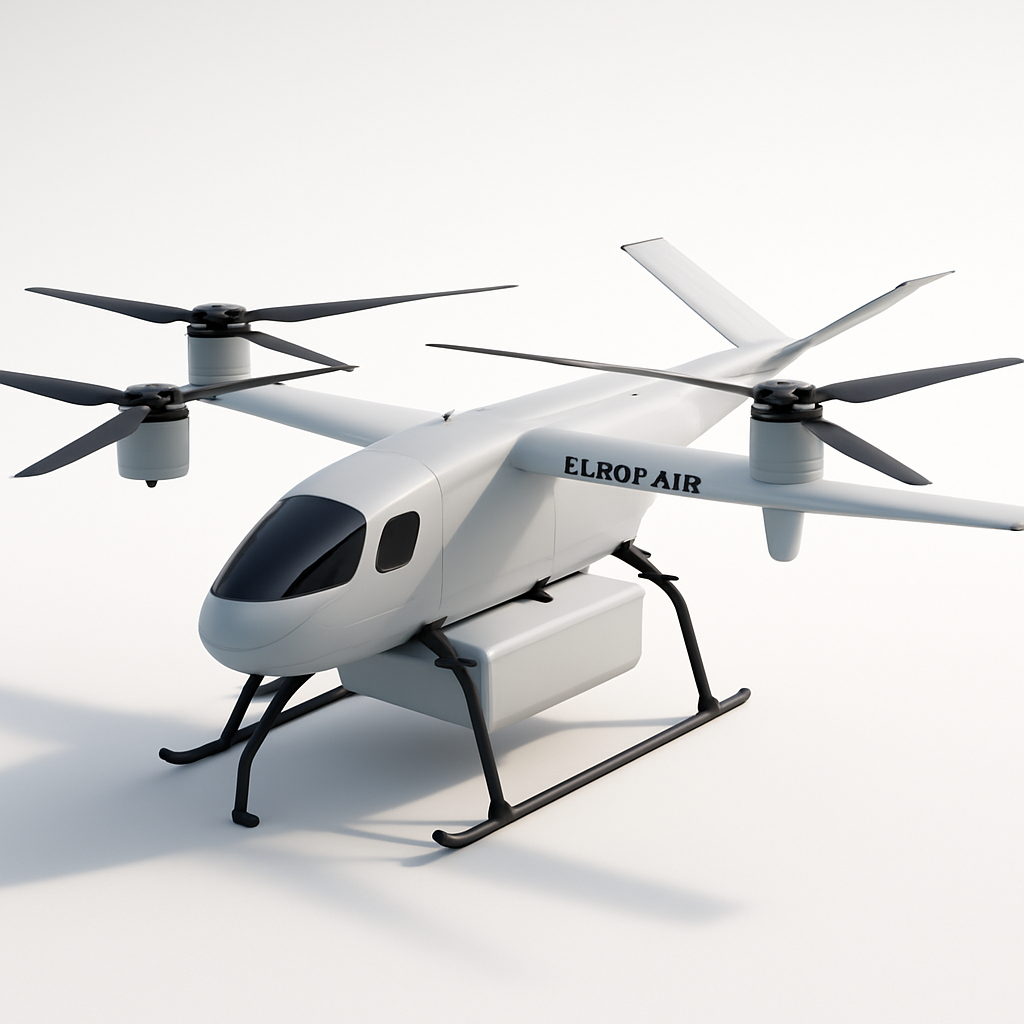
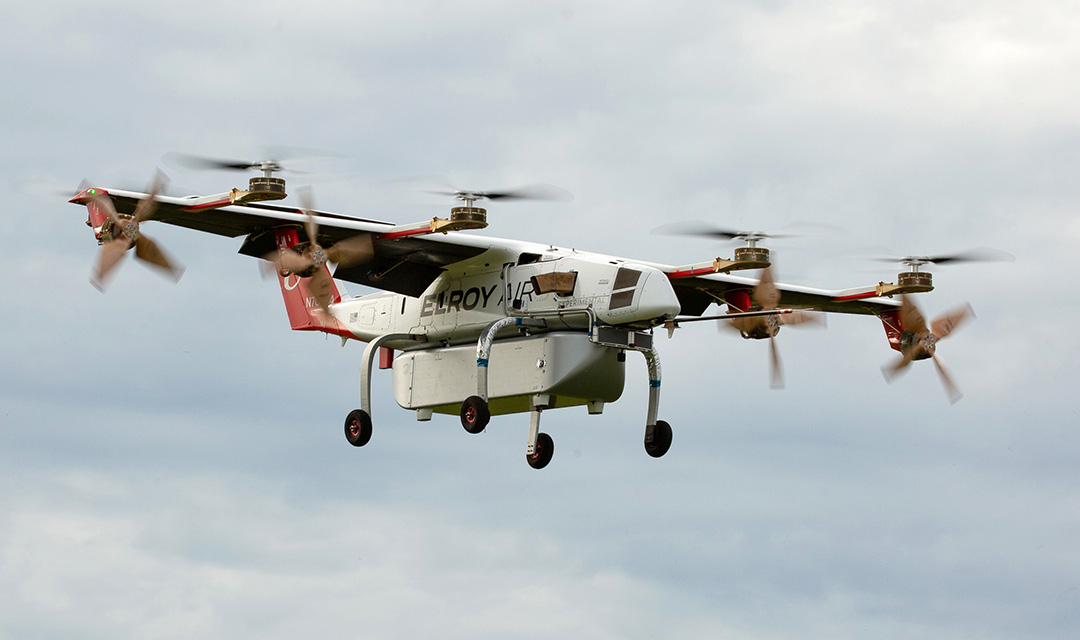
The Elroy Air Chaparral represents a significant advancement in autonomous cargo delivery technology, designed specifically for long-range logistics operations in challenging environments. This hybrid VTOL (Vertical Takeoff and Landing) aircraft combines the efficiency of fixed-wing flight with the convenience of helicopter-like takeoff and landing capabilities, making it ideal for deliveries to remote locations without traditional runway infrastructure.
Developed by Elroy Air, a California-based aerospace company, the Chaparral addresses critical gaps in supply chain logistics, particularly for military, humanitarian, and commercial applications where traditional delivery methods are impractical or impossible. The aircraft's autonomous operation capabilities and substantial payload capacity position it as a game-changer for industries requiring reliable, long-distance cargo transport to remote or dangerous locations.
Key Specifications
- Maximum payload: 500 pounds (227 kg)
- Maximum range: 300+ miles (480+ km)
- Cruise speed: 115+ mph (185+ km/h)
- Service ceiling: 20,000 feet
- Takeoff weight: 1,200 pounds (544 kg)
- Power system: Hybrid-electric propulsion
- Flight time: 8+ hours depending on payload and conditions
- Landing accuracy: Within 3 meters of target
- Operating temperature: -20°F to 120°F (-29°C to 49°C)
- Weather capability: Light rain and winds up to 35 knots
- Cargo bay: Modular pods with climate control options
- Navigation: GPS/INS with optional RTK precision
- Communication: Beyond visual line of sight (BVLOS) capable
- Autonomy level: Fully autonomous with human oversight
Pricing & Configuration
Elroy Air operates on an enterprise pricing model with costs varying significantly based on mission requirements, deployment scale, and service level agreements. The company typically offers comprehensive packages that include the aircraft, ground control systems, training, maintenance support, and operational services rather than selling individual units.
Pricing structures often involve leasing arrangements, per-flight fees, or complete logistics service contracts. Organizations interested in the Chaparral system must contact Elroy Air directly for custom quotations based on their specific operational needs. The investment typically includes ground control stations, spare parts inventory, pilot/operator training programs, and ongoing technical support.
Pros and Cons
Pros:
- Exceptional range and payload capacity for delivery drones
- Autonomous operation reduces personnel requirements and costs
- VTOL capability eliminates need for runway infrastructure
- Weather-resistant design enables operations in challenging conditions
- Modular cargo system accommodates various payload types
- Proven track record in military and commercial trials
Cons:
- Limited commercial availability due to production constraints
- High operational costs compared to traditional delivery methods
- Requires specialized maintenance and technical expertise
- Regulatory restrictions may limit deployment in certain regions
- Long lead times for delivery and deployment
Who Should Buy This Drone?
The Elroy Air Chaparral is specifically designed for organizations with demanding long-range cargo delivery requirements that cannot be efficiently met through traditional transportation methods. Primary candidates include military and defense contractors requiring reliable supply chain solutions for remote operations, humanitarian organizations delivering aid to disaster-affected or inaccessible areas, and logistics companies serving remote industrial sites such as mining operations, oil platforms, or construction projects.
Medical organizations requiring urgent delivery of supplies, blood products, or organs to remote hospitals would also benefit from the Chaparral's capabilities. Additionally, government agencies involved in emergency response, border security, or research operations in remote locations represent ideal customers for this platform.
Organizations considering the Chaparral should have substantial cargo delivery volumes, access to trained technical personnel, and the financial resources to support the significant initial investment and ongoing operational costs. Companies must also be prepared to work within current regulatory frameworks for commercial drone operations.
Final Verdict
The Elroy Air Chaparral stands out as a pioneering solution in the autonomous cargo delivery sector, offering unmatched combination of range, payload capacity, and operational flexibility. While the system represents a significant investment and requires specialized expertise to operate effectively, it addresses real-world logistics challenges that few alternatives can match.
For organizations with genuine long-range delivery requirements and the resources to support advanced drone operations, the Chaparral offers compelling capabilities that can transform supply chain efficiency and reach. However, potential operators should carefully evaluate their specific needs, regulatory environment, and operational capabilities before committing to this advanced platform. The technology is proven but still in relatively early commercial deployment, making it most suitable for organizations with clear mission-critical requirements and the expertise to operate cutting-edge autonomous systems.
Pros
- + Long-range delivery capability up to 300+ miles
- + High payload capacity of 500 pounds
- + Autonomous flight operations reduce operational costs
- + Vertical takeoff and landing eliminates runway requirements
- + Weather-resistant design for reliable operations
Cons
- - Limited availability and production scale
- - High initial investment and operational costs
- - Requires specialized training and certification
- - Still in early commercial deployment phase
Frequently Asked Questions
What is Elroy Air Chaparral?
The Elroy Air Chaparral is an autonomous cargo delivery drone designed for long-range logistics operations. It features vertical takeoff and landing capabilities with fixed-wing flight efficiency, capable of carrying up to 500 pounds over distances of 300+ miles.
How much does Elroy Air Chaparral cost?
Elroy Air Chaparral uses a enterprise pricing model with plans starting at Contact for pricing.
What are the main advantages of Elroy Air Chaparral?
The key advantages of Elroy Air Chaparral include: Long-range delivery capability up to 300+ miles; High payload capacity of 500 pounds; Autonomous flight operations reduce operational costs; Vertical takeoff and landing eliminates runway requirements; Weather-resistant design for reliable operations.
What are the drawbacks of Elroy Air Chaparral?
Some limitations to consider: Limited availability and production scale; High initial investment and operational costs; Requires specialized training and certification; Still in early commercial deployment phase.
What category does Elroy Air Chaparral belong to?
Elroy Air Chaparral is a Delivery tool developed by Elroy Air.
Delivery Guides
Other Delivery Tools
View all 9 tools →
Amazon Prime Air MK30
Amazon
Amazon's latest delivery drone designed for autonomous package delivery within a 15-mile radius. Features advanced AI navigation, obstacle avoidance, and can carry packages up to 5 pounds with improved safety and noise reduction compared to previous generations.
Flytrex Core 2
Flytrex
The Flytrex Core 2 is an autonomous delivery drone designed for last-mile logistics and food delivery operations. It features advanced flight control systems, payload delivery mechanisms, and cloud-based fleet management capabilities for commercial delivery services.
Manna Aero Delivery Drone
Manna Aero
Manna Aero's commercial delivery drone is designed for autonomous last-mile package delivery with precision drop capabilities. The system features advanced flight control, real-time tracking, and can deliver packages up to 4kg over distances of 20km.
Matternet M2
Matternet
The Matternet M2 is a specialized autonomous delivery drone designed for medical supply transport and logistics operations. It features advanced safety systems, precision landing capabilities, and regulatory compliance for beyond visual line of sight operations in urban environments.